Photo of Erik Eisenmann

Erik Eisenmann

Erik Eisenmann is a business lawyer and partner at Husch Blackwell who represents employers in all aspects of labor and employment law, from counseling to litigation. He frequently defends clients throughout the country that are under investigation by, or have received citations from, OSHA and MSHA.

Democrats and Republicans within the House Committee on Education and the Workforce have recently expressed bipartisan interest in raising or eliminating the statutory caps on damages for claims brought under Title VII and the ADA. While the plan is still in its very early stages, any revisions to statutory damages caps would have significant implications for employers.

In our ever-evolving world, fostering cultural sensitivity is paramount for minimizing legal risks and creating inclusive, respectful work environments. Language plays a crucial role in shaping our perceptions, and unfortunately, some words used in everyday conversation may perpetuate stereotypes and contribute to cultural insensitivity. As employers gear up for the new year, they should consider abandoning the following words and phrases. Encouraging their employees to do the same will help create more inclusive work environments and mitigate the risk of discrimination claims brought by members of their workforce.

On the heels of the United States Supreme Court’s decision limiting affirmative action in college admissions, we have seen an increase in workers who do not belong to historically underrepresented demographic groups filing lawsuits challenging their employers’ diversity, equity, and inclusion (DEI) programs.[1] As a result, some businesses may wonder: Are our DEI efforts worth the legal risk? For most businesses, the consensus answer appears to be “yes.”

Husch Blackwell’s Technology, Manufacturing & Transportation group has published its second-annual Legal Insights for Manufacturing report, covering the top challenges facing U.S.-based manufacturers and including a section on labor and employment law concerns. Per the usual, labor and employment challenges rank at the very top of the list of corporate concerns and will likely continue

When “Gymtimidation” Turns Into Discrimination

The issues of acceptance and comfort in fitness centers can pose serious challenges for owners. A healthy gym environment can empower all individuals, regardless of age, gender, ability, and race. However, if managed by inadequately trained staff or run without oversight, a gym can become a divisive place that breeds anxiety and fear. The phenomenon of “gymtimidation” is a popular topic among fitness center owners and gym enthusiasts alike. A 2022 study of roughly 3,000 individuals revealed that 90% of gym-goers are concerned about others’ opinions and 42% of gym-goers experience appearance-based anxiety while at the gym. Notably, Gen-Z gym-goers are the most affected by “gymtimidation,” with 38% of that demographic identifying “fear of judgment” as a reason for disliking gyms.

The Supreme Court’s recent decision on affirmative action in the SFFA v. Harvard/UNC cases has raised lots of questions for private employers. Specifically, private employers want to know what impact – if any – does the Court’s decision have on DEI programs? The short answer is not much, if any.

Many companies have invested in and prioritized diversity, equity, inclusion, and accessibility (DEIA) initiatives over the past several years. And for good reason: DEIA initiatives have been proven to improve employee recruitment, retention, and morale, and to help mitigate risks associated with potential disparate treatment and discrimination claims by employees.

Key Points

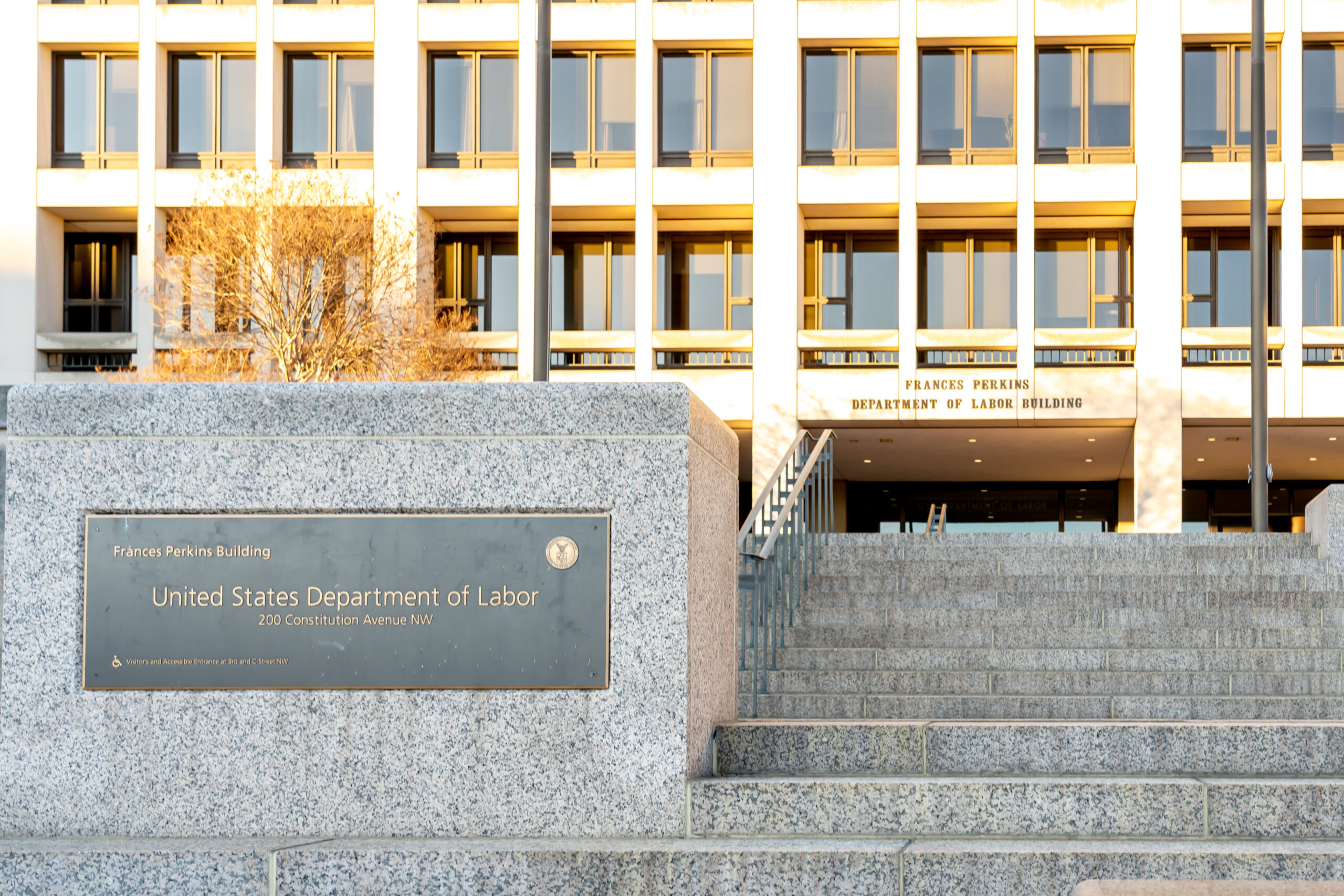
  • On October 13, 2022 the Department of Labor (DOL) published a notice of proposed rulemaking advising that it intends to alter the test used to distinguish “independent contractors” from employees under the Fair Labor Standards Act (FLSA).
  • The proposed rule will rescind the 2021 Independent Contractor Rule and replace it with a multifactor, totality-of-the-circumstances test that will likely cause an increase in the number of workers classified as employees.

Workplace violence has become a hot topic in today’s discourse; however, workplace violence is not just headline fodder for media outlets. The trend is well-documented and especially felt by the healthcare industry which continues to experience the brunt after the onslaught of COVID-19. In 2018, 73% of all nonfatal workplace violence incidents involved healthcare workers. A late 2020 survey reported that 20% of nurses reported they were facing an increase in workplace violence after the COVID-19 pandemic began. Another study reported a 14.6% increase in workplace violence at New Jersey hospitals over the prior three years.