Photo of Jenna Brofsky

Jenna Brofsky

Clients benefit from having Jenna on their team, whether they need routine labor and employment counseling or representation for complex litigation. Jenna frequently advises employers on compliance with federal and state employment laws, including Title VII of the Civil Rights Act, the Equal Pay Act and the Americans with Disabilities Act (ADA), as well as numerous wage payment statutes.

The recent assassination of conservative activist Charlie Kirk has ignited a national conversation—not just about politics, but about the boundaries of employee speech and employer response in the workplace. In the days following Kirk’s death, a wave of firings and suspensions have swept across industries, with employers acting swiftly to distance themselves from employees whose public statements about the tragedy were seen by some as insensitive, inflammatory, or reputationally damaging, regardless of the political viewpoint expressed. In assessing whether to discipline or terminate an employee for statements made publicly on personal social media, employers must consider constitutional rights, the National Labor Relations Act (NLRA), anti-discrimination laws, off-duty conduct laws, and social media privacy laws.

The National Football League (NFL) is in the spotlight this season, not because of any certain game on the field, but for a legal battle off it. Last week, the Second U.S. Circuit Court of Appeals agreed that a NFL coach could bring his race discrimination claims against the NFL and several NFL teams in court although he had signed an arbitration agreement.

On January 15, 2025, the U.S. Supreme Court issued a rare unanimous decision in EMD Sales Inc. v. Carrera, addressing the standard of proof employers must meet to establish that an employee is exempt from the minimum wage and overtime requirements under the Fair Labor Standards Act (FLSA). The Court held employers need only prove employees meet an FLSA exemption by a preponderance of the evidence (more likely true than not), rejecting the Fourth Circuit’s use of the higher “clear-and-convincing-evidence” standard. This ruling carries significant implications for employers in the context of employee classification and defending against unpaid overtime claims.

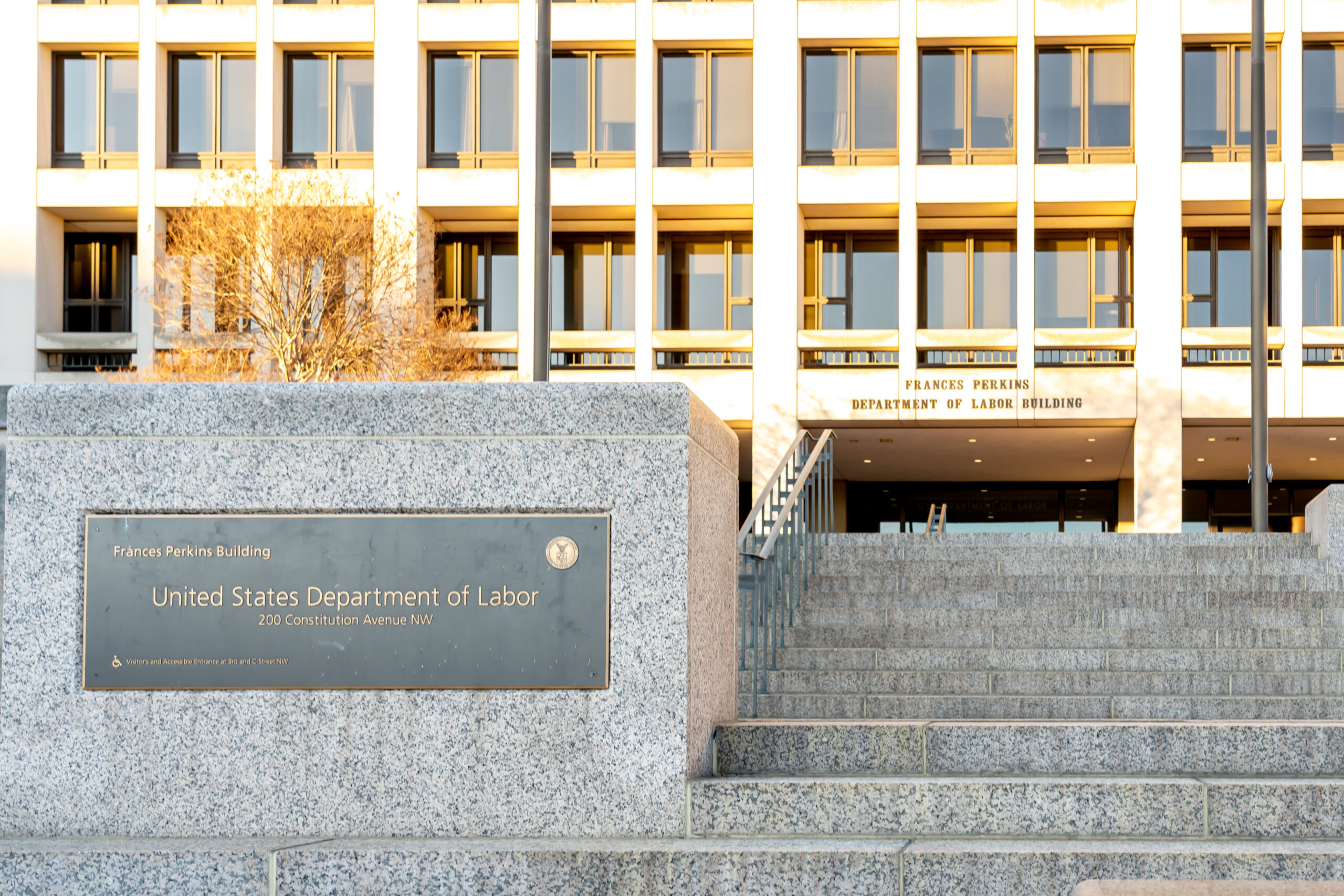
As of September 13th, the Department of Labor’s Wage and Hour Division (DOL-WHD) is partnering with the Equal Employment Opportunity Commission (EEOC) to focus on “enhanced law enforcement” through information sharing, joint investigations, training, and outreach.

The Memorandum of Understanding (MOU) is considered voluntary and is not legally binding, but may

We’ve emerged from the traditional winter season of flu, strep, and stomach viruses (often on repeat for those with small children) and are well into the traditional spring season of sneezing, sniffling, and coughing. As such, it is worth considering the role healthcare plays in each of our lives. For some, we might have found ourselves at the doctor a few times over the past year—once for an annual wellness visit and once or twice for antibiotics.