Wage and Hour

With the Colorado legislative session well underway, we have identified several bills of interest that Colorado employers should monitor. If enacted, these bills would expand worker protections and require certain employers to update their policies or procedures. While several of the bills authorize a private right of action, awareness and proactive compliance can help employers avoid costly litigation.

Beginning on October 29, 2025, covered employers in Massachusetts are required to disclose the minimum and maximum amount of compensation that an employer reasonably and in good faith expects to pay for a particular and specific position. Disclosure is required in external job postings, to employees who request such information, and to internal job candidates.

With the passage of the new federal tax bill on July 4, 2025, unofficially referred to as the One Big Beautiful Bill Act (OBBBA), employers and employees in overtime-heavy and tipped industries face new opportunities and responsibilities. Below are some key highlights of what employers need to know to better prepare for the changes.

The 2025 Colorado legislative session concluded on May 7, 2025. This latest session has brought a series of significant updates that are poised to reshape the compliance landscape for employers across the state. Among the enacted bills, several are set to introduce new requirements and labor standards compelling employers to adapt swiftly. The vetoed bills, on the other hand, highlight ongoing debates that may signal future changes.

Below we summarize the major bills affecting employers that were either passed or vetoed by Governor Jared Polis.  

Last week, a Hennepin County judge sentenced an employer following a first-of-its-kind criminal conviction for wage theft in Minnesota.

Since its enactment in 2019, Minnesota’s Wage Theft Prevention Act has imposed stringent penalties on employers who unlawfully withhold wages from employees. Under the Act, employers may face felony charges if they commit wage theft with intent to defraud their employees in an amount greater than $1,000.

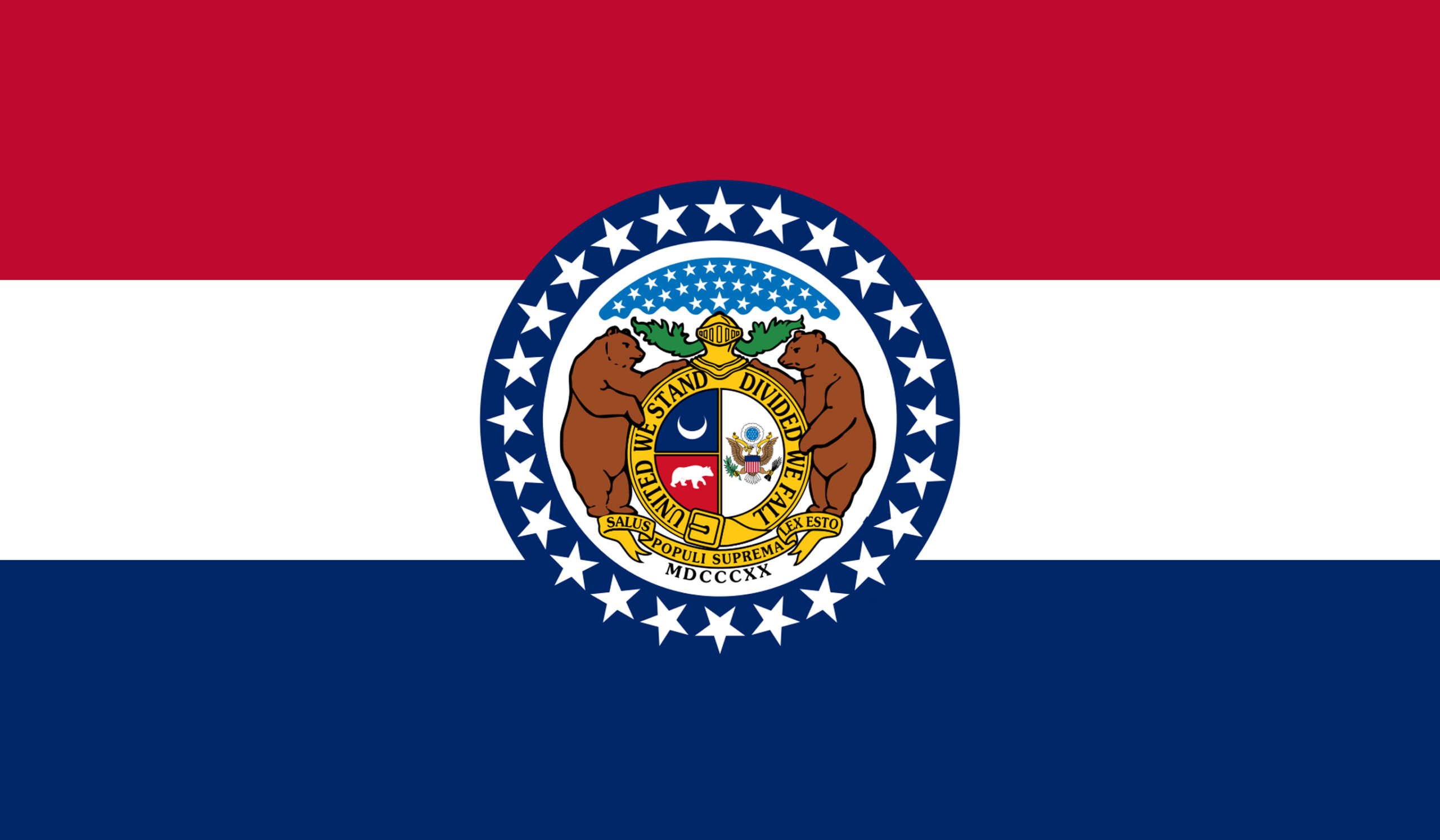
Missouri’s new minimum wage and paid sick leave law (“Proposition A”) currently is subject to two legal challenges; (1) a lawsuit questioning the constitutionality of the law, and (2) a house bill that, if passed by the Senate and governor, would alter the minimum wage component of the law and eliminate paid sick leave components of the law. The paid sick leave component of the law otherwise remains scheduled to go into effect on May 1, 2025, with relevant April 15, 2025, notice and posting compliance deadlines for employers. The fate of the paid sick leave component of Proposition A—and the law as a whole—remains uncertain. In the meantime, employers should plan as though the law will go into effect as scheduled.

Stay updated with our latest blog from March 31, 2025: Pending Legal Challenges to Missouri’s New Minimum Wage and Paid Sick Leave Law

Proposition A — Amendments to the Missouri Labor and Industrial Relations*

*Access a copy of the Proposition A full bill text here.
*Access a searchable PDF, that includes the language of Proposition A, here.

On November 5, 2024, Missouri voters approved an amendment to RSMo § 290.502, increasing the state minimum wage in 2025 and 2026. In addition, voters approved earned paid leave that employees can use for their own or their “family member’s” illness(es), preventative care, and/or to address victims’ needs resulting from domestic violence, stalking, and/or sexual assault (collectively referred to as “Paid Leave” below). Since its passage, after reading overviews of the Amendment, many of our clients still had questions about how best to implement the requirements considering their workforce and current leave policies. Most wondered if their current PTO policy would suffice as written. Below, members of Husch Blackwell’s Labor & Employment team have answered these questions.

The beginning of a new year, or new fiscal year, can often bring changes to a company’s workforce. Many businesses will perform or complete performance reviews and implement compensation changes based on the prior year. The new year can also be a time when employees make moves of their own – new year, new job.

All of this activity can create some thorny questions about a company’s obligations to a departing employee. Let’s say an employee receives a glowing performance review that merits a bonus and a raise for the following year. They are paid the bonus on February 15th and given the raise with an effective date retroactive to January 1st. In the following March, the employee submits notice of their resignation, announcing that their family has decided to move, and they have accepted a new job out of state. Their last day will be April 30th. Can the employer claw back the bonus that was just paid? What about the salary increase?