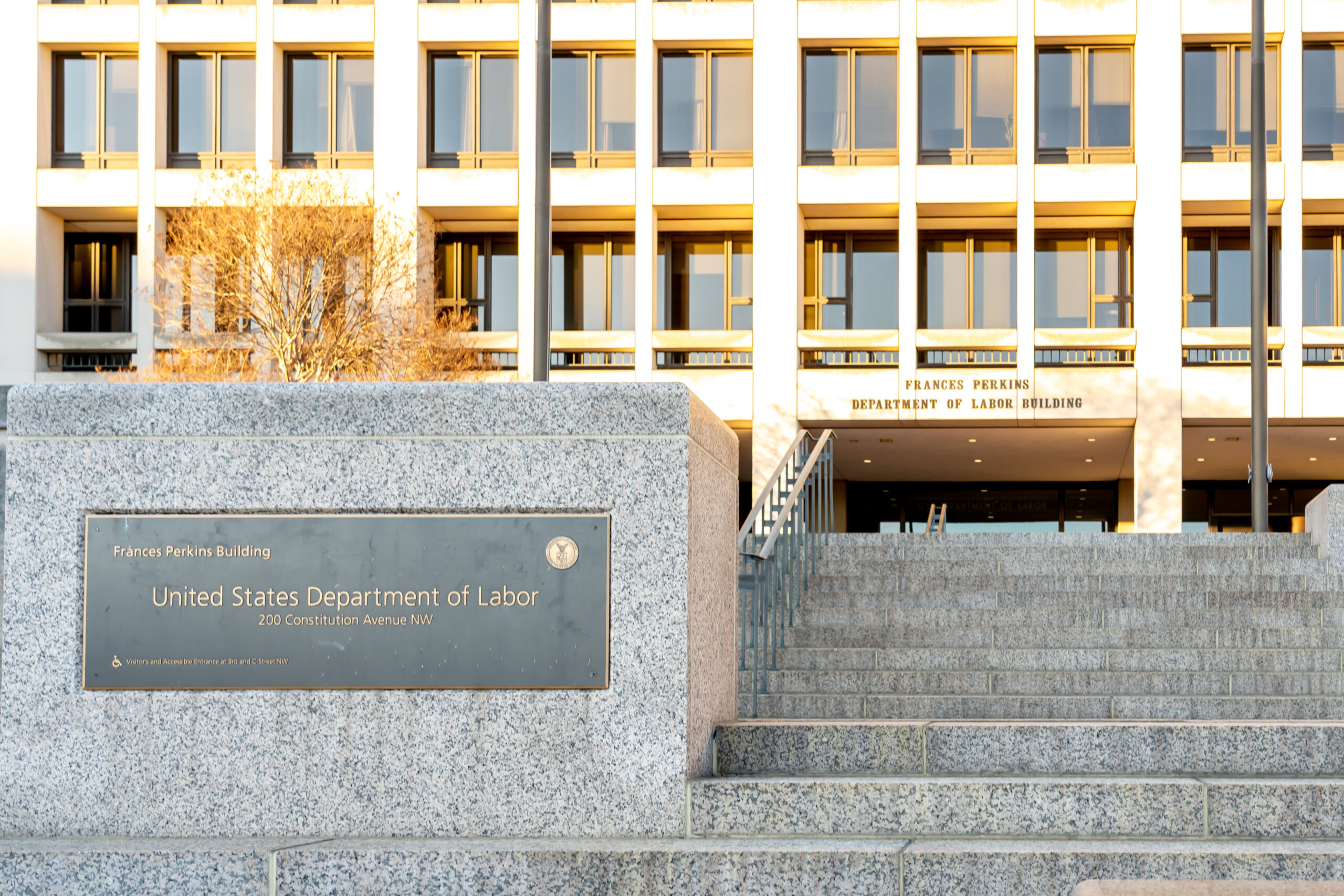
On Thursday, February 27, 2026, the U.S. Department of Labor (DOL) announced a long-anticipated proposed rule to guide the DOL’s analysis of whether a worker is an employee or an independent contractor under the Fair Labor Standards Act (FLSA).

On Thursday, February 27, 2026, the U.S. Department of Labor (DOL) announced a long-anticipated proposed rule to guide the DOL’s analysis of whether a worker is an employee or an independent contractor under the Fair Labor Standards Act (FLSA).
With the Colorado legislative session well underway, we have identified several bills of interest that Colorado employers should monitor. If enacted, these bills would expand worker protections and require certain employers to update their policies or procedures. While several of the bills authorize a private right of action, awareness and proactive compliance can help employers avoid costly litigation.
On December 12, 2025, Illinois Governor Pritzker signed into law SB 2339 (“Amendment” or “SB 2339”), which amends the Right to Privacy in the Workplace Act. The law increases protections for workers’ privacy and restricts employers from taking adverse action against employees solely based on receiving a tentative non-confirmation letter (“mismatch letter”) regarding verification of employment eligibility. The passage of SB 2339, a response to increased federal immigration enforcement, ensures that employers satisfy federal requirements without compromising employee privacy. The Amendment became effective immediately, applies to public and private employers of Illinois employees and prospective employees, and subjects employers to civil actions, including a private right of action and penalties for non-compliance.

In 2023, Minnesota enacted the “Employer-Sponsored Meetings of Communications Act” (the “Act”), Minn. Stat. § 181.531. The Act prohibits employers from taking adverse employment action against any employee who refuses to participate in meetings where the employer discusses its opinion on political and religious matters.
Captive audience meetings are employer sponsored meetings where the employer requires employees to attend and listen to the employer position concerning a union organizing effort. The meeting is intended to dissuade workers from unionizing. These meetings continue to receive significant attention at the state and federal level. There are now 12 states, including Minnesota, which have enacted laws designed to ban or restrict captive audience meetings: Alaska, Connecticut, Hawaii, Illinois, Maine, New Jersey, New York, Oregon, Vermont, Washington, and, most recently, California.
The 2025 Colorado legislative session concluded on May 7, 2025. This latest session has brought a series of significant updates that are poised to reshape the compliance landscape for employers across the state. Among the enacted bills, several are set to introduce new requirements and labor standards compelling employers to adapt swiftly. The vetoed bills, on the other hand, highlight ongoing debates that may signal future changes.
Below we summarize the major bills affecting employers that were either passed or vetoed by Governor Jared Polis.

On May 24, 2024, in Thryv, Inc. v. NLRB, No. 23-60132, (5th Cir. May 24, 2024), a unanimous three judge panel for the Fifth Circuit Court of Appeals vacated a National Labor Relations Board order finding that the Employer violated the Act when it laid off employees pursuant to the terms of a last best final offer while the parties were bargaining for a successor contract. However, the court declined to rule on whether the Board had authority to issue its new consequential damages remedy – a primary reason this case was being closely watched as it moved through the appeal process.

Husch Blackwell’s Technology, Manufacturing & Transportation group has published its second-annual Legal Insights for Manufacturing report, covering the top challenges facing U.S.-based manufacturers and including a section on labor and employment law concerns. Per the usual, labor and employment challenges rank at the very top of the list of corporate concerns and will likely continue
On June 13, 2023, the National Labor Relations Board (NLRB) issued its decision in Atlanta Opera, overruling the Trump-era SuperShuttle DFW, Inc. standard and reverting back to the Obama-era FedEx Home Delivery (FedEx II) standard. Such a shift makes it more difficult for employers to prove workers are independent contractors, thereby giving National Labor Relations Act protections to a broader range of workers and making it easier for workers to organize a union.

General Counsel Abruzzo continues in her efforts to micromanage your workplace by any means possible. She has issued one General Counsel Guidance Memo after another in her attempts to over-regulate your workplace. The basic premise with respect to her most recent GC memo, 23-02, is her alleged concern that electronic surveillance by employers is impairing employees’ ability to engage in protected concerted activity and keeping that activity confidential from their employer. In doing so, the General Counsel refers to case law that is, for the most part, dated and well-known in terms of the “do’s and don’ts” of improper employer surveillance in the workplace.