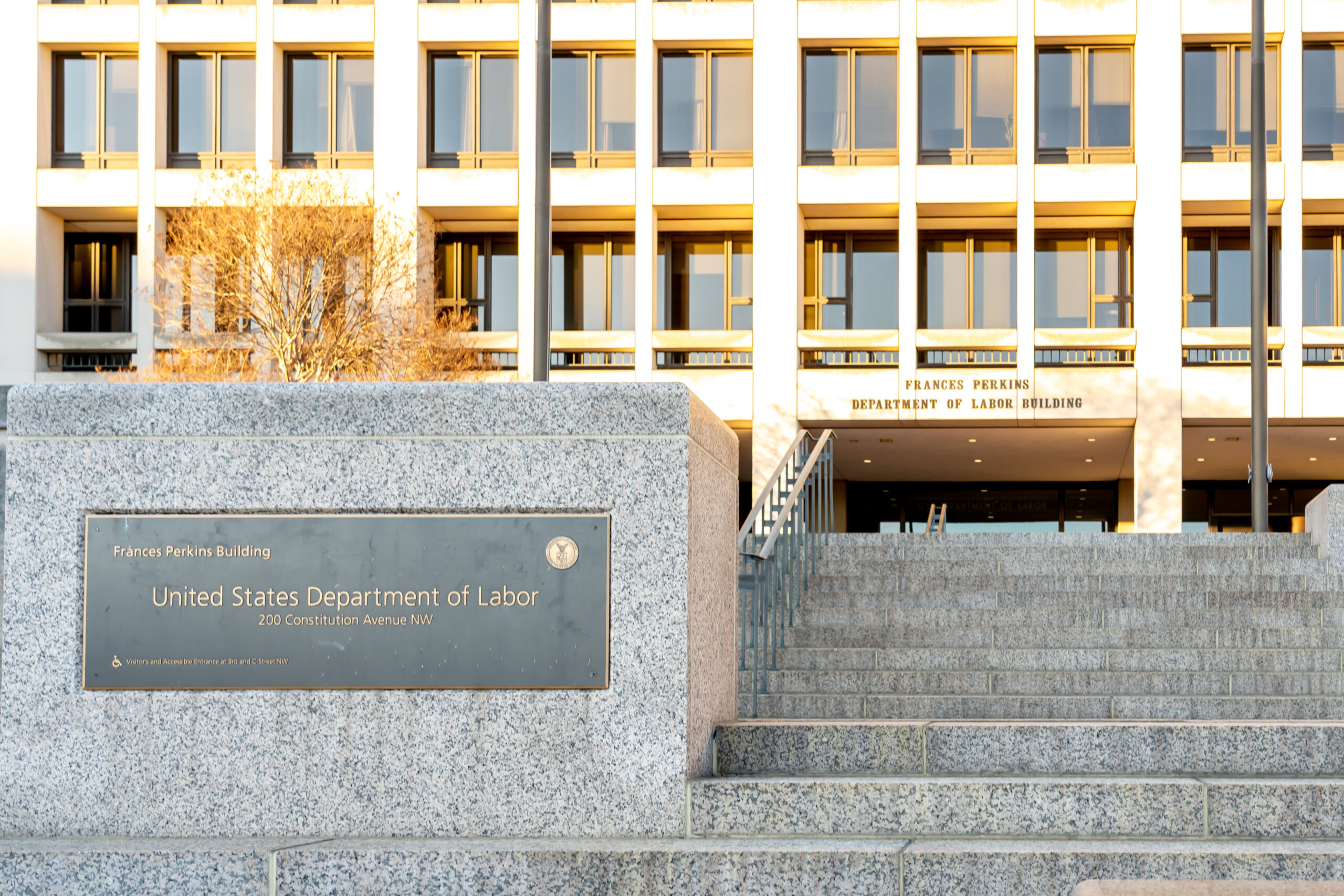
Husch Blackwell attorney Tracey O’Brien has posted about the March 31 OFCCP recission of the Trump administration’s Final Rule, Implementing Legal Requirements Regarding the Equal Opportunity Clause’s Religious Exemption. The OFCCP refers to this recission as a return to “longstanding policy in place for more than 17 years to determine applicability of the religious

Many companies have invested in and prioritized diversity, equity, inclusion, and accessibility (DEIA) initiatives over the past several years. And for good reason: DEIA initiatives have been proven to improve employee recruitment, retention, and morale, and to help mitigate risks associated with potential disparate treatment and discrimination claims by employees.

Husch Blackwell’s Donna Pryor and Laura Higbee provide an update to our January post on the Occupational Safety and Health Administration’s (OSHA) intention to convene a Small Business Advocacy Review Panel (SBAR Panel). This panel would help decide whether OSHA should enact a Prevention of Workplace Violence in Healthcare and Social Assistance standard. Read more

The Paid Leave for All Workers Act, expected to be signed soon by Illinois Governor J.B. Pritzker, would require nearly all covered Illinois employers to provide employees paid leave to be used for any purpose. Illinois would be just the third state to mandate paid leave – only Maine and Nevada have similar laws.

Once signed, the Act would take effect on Jan. 1, 2024, and provide nearly all Illinois workers with a minimum of 40 hours of paid leave, or a pro rata number of hours, during a designated twelve-month period.

The Office of Federal Contract Compliance Programs (OFCCP) has made several announcements, including Directives, Notices, and Proposals in their quest to embark on initiatives that significantly impact federal contractors’ affirmative action obligations. These changes contemplate substantive changes to regulations and existing interpretations of the regulations but are cloaked in terminology such as “guidance” and a proposal to OMB to renew data collection. Many of these initiatives obligate regulated parties to undertake additional significant compliance burdens under the threat of enforcement actions. This blog post, part 1, will discuss two of the changes and the resulting challenges faced by federal contractors: 1) OFCCP’s new interpretation of federal contractors’ obligation to evaluate compensation systems as described in Directive 2022-01 and 2022-01 Revision 1, and 2) the contractor portal. Other changes will be addressed in Part 2 of this series.

On January 26, 2023, the Michigan Court of Appeals reversed the lower court decision that would have gone into effect on February 19, 2023. That decision, among other items, would have increased Michigan’s hourly minimum wage to $13.03 and would have greatly expanded the state’s paid sick leave requirements. The Court of Appeals decision means that employers do not have to make changes to their paid sick leave policies that were drafted in compliance with the Michigan Paid Sick Leave Act that went into effect in 2019. Further, businesses no longer have to scramble to adjust minimum wage rates for both tipped and non-tipped workers as required under the lower court decision. Michigan’s hourly minimum wage will remain at $10.10. The tipped minimum wage remains at $3.84 an hour. 

The Colorado Division of Labor and Employment (CDLE) had a busy last few weeks of December in 2022, revising a number of its Interpretive Notice and Formal Opinions (INFOs). On December 23, 2022, CDLE issued a revised INFO #16 regarding Deductions From, and Credits Towards, Employee Pay.

The Colorado Wage Act (C.R.S. § 8-4-105(1)(e))

While diversity, equity, inclusion, and accessibility have slowly made their way to the forefront of many employers’ minds, two dimensions of diversity are often overlooked in these discussions—neurodiversity and ability diversity. More than 1 billion people, 15% of the global population, live with a disability. Thus, employers must ensure that neurodiversity and employees and applicants with disabilities are properly represented in DEIA initiatives.

A reminder for all Colorado employers: you have one month until you begin collecting premiums under Colorado’s Family and Medical Leave Insurance Program (FAMLI). FAMLI is Colorado’s state-administered insurance program that will provide benefits to employees for some types of leave starting January 1, 2024. Premiums for employers with 10 or more employees nationwide are split