Employers

On October 23, 2023, U.S. Citizenship and Immigration Service (USCIS) issued a notice of proposed rulemaking to amend the H-1B regulations. These proposed rules are seen as a significant step to modernize the H-1B requirements and address issues of fraud that occurred in the previous H-1B lottery cycle. Comments for these proposed rules will be accepted through December 22, 2023.


On the heels of the United States Supreme Court’s decision limiting affirmative action in college admissions, we have seen an increase in workers who do not belong to historically underrepresented demographic groups filing lawsuits challenging their employers’ diversity, equity, and inclusion (DEI) programs.[1] As a result, some businesses may wonder: Are our DEI efforts worth the legal risk? For most businesses, the consensus answer appears to be “yes.”

What is caste and caste discrimination?

“Caste” or a “caste system” is a social hierarchy passed down through families and can dictate an individual’s permissible professions as well as aspects of their social life, including whom they can marry.[1] It exists in a variety of ways, but for purposes of defining a legally protected class, it most directly relates to persons of South Asian descent. Importantly, however, an individual’s race or religion is not a caste, and caste and race/religion should not be equated or conflated.[2]

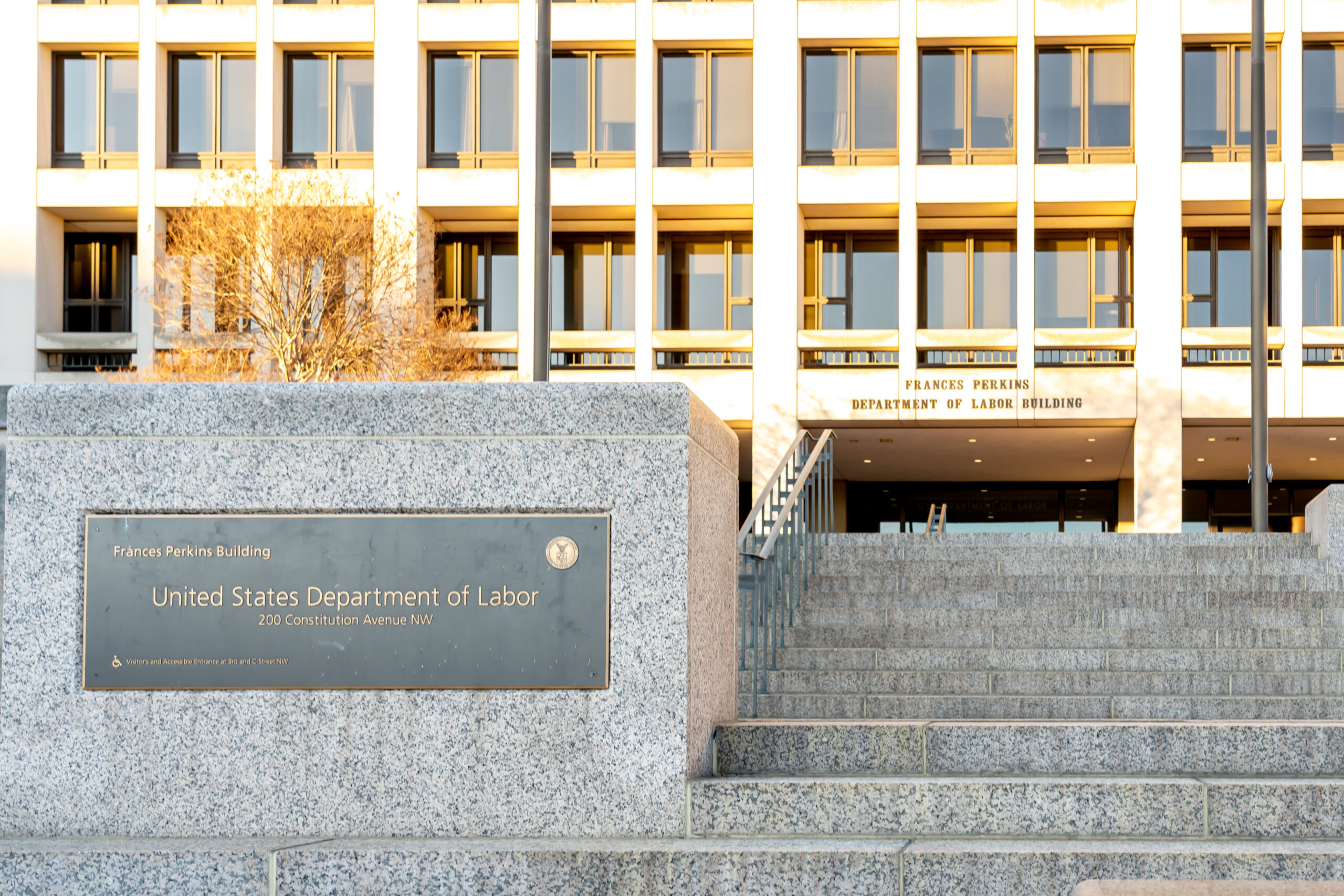
As of September 13th, the Department of Labor’s Wage and Hour Division (DOL-WHD) is partnering with the Equal Employment Opportunity Commission (EEOC) to focus on “enhanced law enforcement” through information sharing, joint investigations, training, and outreach.

The Memorandum of Understanding (MOU) is considered voluntary and is not legally binding, but may

When “Gymtimidation” Turns Into Discrimination

The issues of acceptance and comfort in fitness centers can pose serious challenges for owners. A healthy gym environment can empower all individuals, regardless of age, gender, ability, and race. However, if managed by inadequately trained staff or run without oversight, a gym can become a divisive place that breeds anxiety and fear. The phenomenon of “gymtimidation” is a popular topic among fitness center owners and gym enthusiasts alike. A 2022 study of roughly 3,000 individuals revealed that 90% of gym-goers are concerned about others’ opinions and 42% of gym-goers experience appearance-based anxiety while at the gym. Notably, Gen-Z gym-goers are the most affected by “gymtimidation,” with 38% of that demographic identifying “fear of judgment” as a reason for disliking gyms.

In June 2022, the United States Supreme Court’s decision in Viking River Cruises v. Moriana allowed PAGA claims to be split into individual and non-individual (representative) claims, and consequently, under a valid enforceable arbitration agreement, employers could compel arbitration of individual PAGA claims. The U.S. Supreme Court’s ruling established that once individual claims are compelled to arbitration, the remaining non-individual claims should be dismissed for lack of standing. Justice Sotomayor, in her concurring opinion, warned that if the Court’s interpretation of California law as to standing was incorrect, the final authority would rest with the California courts and legislature.

Third-party job posting sites such as Indeed, Job Recruiter, etc., can be an easy and efficient way for employers to fill positions with quality candidates; however, Wisconsin employers, including out-of-state employers with job postings in Wisconsin, need to be mindful when submitting a job posting or run the risk of inadvertently violating the state’s non-discrimination law.

When the pandemic hit, many employees began working remotely. Even now, post-pandemic, many employers have maintained flexible work options for employees. With remote working increasing, many employers are grappling with new ways to create a workplace community that can flourish in the new remote work reality. One strategy is the creation of Employee Resource Groups (“ERGs”).

On June 29, 2023, the United States Supreme Court issued a unanimous opinion in Groff v. DeJoy, Postmaster General, increasing the employer’s burden to prove an undue hardship defense from the previous de minimis standard to a substantial hardship standard. Although the opinion is framed as a mere “clarification” of the Supreme Court’s 1977 decision in Trans World Airlines, Inc. v. Hardison, in practice, the law now requires employers to accommodate an employee’s religious beliefs under Title VII unless such accommodation would create a substantial hardship to the employer’s business.